Jobber users how are you handling new requests that don't respond after the first contact?
Do you leave them sitting in New until they respond, archive them, or have some kind of process for keeping the request list clean? I'm curious how other service businesses are handling this, especially when you have a lot of incoming requests. What does your process look like?1View0likes0CommentsRoll call! Meet & introduce yourself to other Green & Exterior Service pros
If you’ve ever thought, “How are other businesses like mine handling this?” you’re in the right place! This space is for Green & Exterior Service pros to connect, compare notes, and talk shop with others who understand the day-to-day realities of running your type of business. 👋 Introduce Yourself Drop a comment and tell us: Your name Business name Industry Years in business Location (City/State/Province) Let us know if you’re joining us for LIVE networking on March 17 (more details below) The more context you share, the better connections you’ll make. 🙌 Pro tip: Search your city or state in the forum to easily find other pros in your area. 📅 Want to connect LIVE? We’re running a pilot to host virtual weekly LIVE Industry Networking starting on March 17, running until April 7. If you’d be interested in joining for the first or following sessions (don’t need to commit to all but you're welcome to join!), make sure to let us know in the comments. 🤝 Culture of this space Think of this forum board like a room full of peers who understand your world. Share what’s working. Ask real questions. Talk through challenges. The goal is to power your success and raise the standard of home service industries together. 💬 Looking for conversation starters? This space works best when conversations are industry-specific and experience-based. You might jump in with something like: “How are other [industry] pros pricing this service right now?” “Is anyone else seeing this shift in their market?” “What’s been working for you when it comes to ____?" 🤔 Why are industries grouped together? We’ve intentionally clustered similar industries to keep conversations active and relevant. These groupings reflect shared business models, operational challenges, and pricing conversations so you can learn from peers who “get it,” even if they’re not in your exact trade. If your question applies to all home service businesses, feel free to post in our broader forum boards. Pro tip: Check out the industry tags to get even more specific Looking forward to seeing this space come to life. 🚀899Views4likes35CommentsSelective Planting: A Natural Alternative to Insecticides
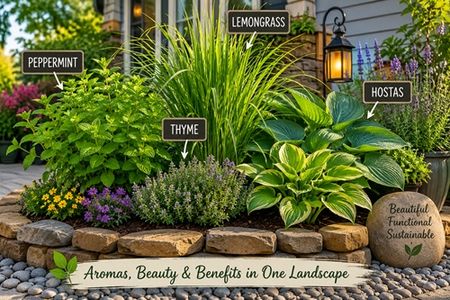
Not every customer wants insecticides applied to their property, and not everyone is interested in introducing beneficial insects like ladybugs, lacewings, or praying mantises. Fortunately, there is another option that can help reduce pest pressure while adding beauty and functionality to the landscape: Selective Planting. Selective planting involves choosing plants that naturally deter certain pests, attract pollinators, or contribute to a healthier garden ecosystem. While no plant is completely pest-proof, strategic plant selection can help reduce common landscape problems and minimize the need for intervention. For example, peppermint is known for its strong aroma, which may help discourage certain insects and rodents. Lemongrass contains citronella, a natural compound often associated with repelling mosquitoes, Ticks and Fleas. Thyme is a hardy herb that attracts pollinators while helping diversify the landscape. Hostas provide texture, color, and shade tolerance, making them an excellent companion plant in many garden designs. The benefits of selective planting extend beyond pest management. Diverse landscapes are often more resilient to disease, drought, and environmental stress. They also provide habitat and food sources for pollinators such as bees and butterflies, which are essential for healthy ecosystems. As landscapers and gardeners, we often focus on solving problems after they appear. Selective planting encourages us to think proactively by designing landscapes that naturally support plant health and reduce pest pressures before they become major issues. How do you overcome pest and landscape challenges in your region? Do you rely on beneficial insects, selective planting, traditional treatments, or a combination of methods? I'd love to hear what's working in your region.14Views3likes0CommentsGood Bugs vs. Bad Bugs: Not Every Insect in Your Landscape Is the Enemy
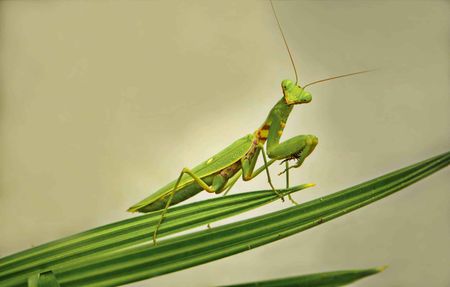
When most people see insects in their yard, their first thought is often, "How do I get rid of them?" But a healthy landscape depends on a balance of both plants and beneficial insects. Good Bugs (Beneficial Insects) These insects help control pests naturally and reduce the need for chemical treatments: Ladybugs – Feed on aphids, whiteflies, and other soft-bodied pests. Green Lacewings – Their larvae are voracious predators of aphids, whiteflies, mealybugs, and mites. Praying Mantises – Generalist predators that feed on many garden pests. Parasitic Wasps – Tiny, harmless wasps that target whiteflies, caterpillars, and other destructive insects. Ground Beetles – Feed on slugs, caterpillars, and various soil pests. Bees and Butterflies – Essential pollinators that help flowers, fruits, and vegetables thrive. Bad Bugs (Common Landscape Pests) These insects can damage plants, turf, and ornamental landscapes: Aphids – Suck plant juices and weaken new growth. Whiteflies – Damage plants and leave behind sticky honeydew. Scale Insects – Attach to stems and leaves, draining plant health. Spider Mites – Tiny pests that cause leaf discoloration and stress. Japanese Beetles – Feed on leaves, flowers, and fruit. Termites – Damage wood structures and can cause costly repairs. Finding the Balance The goal isn't to eliminate every insect—it's to encourage the beneficial insects that naturally keep pest populations under control. A diverse landscape with healthy plants, proper maintenance, and limited pesticide use often creates the best environment for nature to do the work for us. My Question to all the professionals on here is: What Good Bugs do you introduce to help manage Bad Bugs, to keep the eco system healthy?Solved56Views1like2CommentsEstablished Two Businesses, IT & Pokémon, Pivot to horticulture?
Hi everyone, I’m looking for guidance from people who have successfully started and grown lawn care, gardening, or outdoor service businesses. I already operate two businesses, one focused on IT and AI consultation for local small and scaling businesses, and another in the trading card and collectibles space. Even with those ventures, one of the things that brings me the most peace in life is working with plants and the outdoors. Gardening has always been one of my most relaxing and rewarding hobbies. I genuinely love cloning, grafting, rooting plants, learning how different species grow, and seeing something thrive because of patience and care. I would love to build a manageable outdoor, exterior, lawn care, or gardening service that I can grow responsibly over time. I am also very interested in training to become a Master Gardener so I can better serve my community with real knowledge and long term value, not just basic maintenance. For those of you who have built businesses in this space, what would you recommend for someone starting out? What services are the smartest to begin with? What equipment is essential versus unnecessary at first? How did you price your work, find your first customers, and keep the business manageable as you grew? I am especially interested in building something sustainable, community focused, and well run from the beginning. Any advice, lessons learned, mistakes to avoid, or encouragement would mean a lot. Thank you in advance. Tldr: have so much inherited and basic equipment as hobbiest, I should mention my entire childhood consisted of 6 am wake ups on weekends and during summer to do yard work and or mulch acres on acres for my dad/grandparents. Definitely instilled the work ethic in me... as well as freckles from sun poisoned shoulders time over haha! Respectfully sent, Joshua D. Ostrowski Tomi LLC DBA Tomi Vincent Trading Co.47Views1like0CommentsIndustry virtual networking starting March 17
Update: Our 4-week networking pilot has wrapped. Thank you to everyone who joined! We brought pros together across industries for weekly 30-minute sessions focused on real business challenges, and the conversations delivered. There was strong participation, valuable idea-sharing, and great feedback from those who joined. 👉 The goal was simple: bring a challenge and get ideas from other pros, and that’s exactly what happened. We’re now taking what we learned and determining next steps, with plans to likely bring these back in the future. If you found these valuable, or are interested in joining future sessions, let us know in the comments and we’ll keep you posted on what’s next. Really appreciate everyone who took the time to be part of this!462Views5likes11CommentsHow do lawn care and arborist businesses mount hedge trimmers inside enclosed trailers?
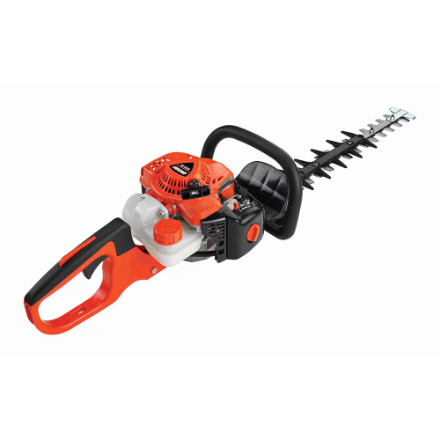
Hello lawncare / arborists, I have a new Echo Gas hedge trimmer that I want to hang up in my enclosed trailer. How does everyone transport them around? Any home made hanger ideas or store bought ready to go options? Thanks, ~Jon - Blue Phoenix Yard Care~194Views2likes1Comment