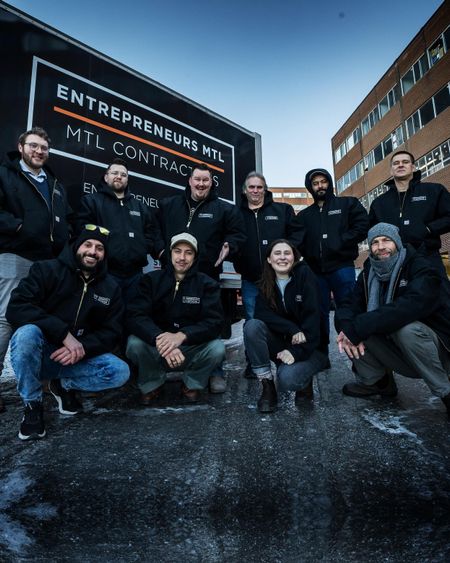
At what point did you realize you needed more systems instead of just working harder?
At what point did you realize you needed more systems instead of just working harder? One thing I've noticed over the years is that almost every problem in a growing business gets solved the same way at first: the owner works longer hours. Need estimates out faster? Stay up later. Need to keep jobs moving? Spend more time on site. Need to answer clients? Reply at night. It works... until it doesn't. Eventually you hit a point where putting in more hours barely moves the needle. The bottleneck isn't effort anymore. It's the lack of systems. For us, that meant standardizing things like estimating, handoffs to production, material ordering, site documentation, and communication with clients. I'm curious if anyone else had a moment where they realized they couldn't outwork the problem anymore. What system had the biggest impact on your business?71Views1like3Comments“We didn't have time to train. We had no systems in place.”
Beau Batcheller (Five Stones Landscape) learned this when his business grew from $1M to $7M in under a year. He kept hiring, but without time to train people or a clear way to get things done, more hands didn’t make the work easier. 🌱 What’s been the biggest challenge as your business grew? Vote in the poll below. If there’s something you weren’t prepared for, share it in the comments. In this Masters of Home Service episode, Beau shares how he went from a borrowed mower to a $7M business, what he learned about pricing and hiring, and how better systems and marketing helped him keep up with growth. Never miss an episode of Masters of Home Service. Subscribe on Apple, Spotify, or wherever you get your podcasts.37Views0likes0CommentsTo Everyone Who Didnt Win The Jobber Grant
I jus got the email of the winners... I know I’m not the only one who was hoping to hear our name called. Being told you didn’t make the cut can definitely sting, especially when you’ve put your heart, time, and energy into building your business. But not being selected doesn’t mean your business isn’t worthy. It doesn’t erase the work you’ve already put in, the customers you’ve helped, or the dreams you’re chasing. Congratulations to the 9 who were selected you earned it. 👏 And to everyone who didn’t, keep going. Our story doesn’t end with one “no.” Sometimes the setback is just another chapter before the breakthrough. Keep building. Keep learning. Keep showing up. We may not have won the grant, but we’re not done winning. 💪🚀211Views3likes2CommentsLooking to Connect With California-Based Contractors & Businesses Needing Window Film Installation
I’m the owner/operator of Structured Film, a licensed and insured window film installation business serving Mendocino County and surrounding areas. I specialize in commercial, residential, and flat-glass window film installations, including storefronts, offices, schools, and other commercial properties. I’m currently looking to connect with: General contractors Glass & glazing companies Commercial property managers Construction companies Other home-service businesses Businesses that need a reliable window film subcontractor I’m willing to travel for the right projects and am interested in building long-term contractor relationships, not just one-off jobs. If you regularly come across projects where window film is needed, I’d be happy to connect and discuss subcontracting or referral opportunities. Structured Film Commercial & Residential Window Film Licensed • Insured • W-9 Available151Views0likes3CommentsBuilt in Edmonton: our first local Edmonton event
Jobber is investing in putting real people on the ground in cities across North America who are focused on building a community of service pros and creating something genuinely useful in each city - hosting events, collecting feedback and supporting local business owners. I'm your local Edmonton Jobber gal and this week we had our first big Jobber event here in the city - Built in Edmonton, a networking happy hour for service pros at Fox Burger rooftop. Great food, drinks on us, prizes, a networking game and some amazing community building. Congrats to Ryan Hauer from Hauer Power Electrical who won the free year of Jobber giveaway contest! Huge thank you to everyone who came out - tickets went fast, the energy was electric and valuable connections were made. If you missed it, there will be more local events happening in Edmonton and other cities! Full photo album here.393Views5likes12CommentsWhat if your business is successful... but you still Hate running it?
A friend of mine owns a profitable laundry mat but hates going in every other week and just plain out dont like dealing with it. We talk a lot about growing revenue, getting more customers, hiring employees, and becoming “successful.” But what happens when you reach those goals and realize you don’t actually enjoy the business you built? Maybe the money is good, the customers are coming in, and the business is growing, but you're constantly stressed, working longer hours, or stuck doing things you never wanted to do. Question: 👉 Would you change the business model, sell the company, scale back, or keep pushing because the numbers look good?39Views0likes0CommentsThe First Impression: What Makes Someone Choose Your Business?
Before a customer ever hires you, they’re already judging your business through your website, reviews, social media, phone calls, and communication. What’s one thing you believe helps turn a potential customer into a paying customer?Solved221Views1like6Comments